Reflections:
One of the chapters in our Microbiology textbook discusses how to control microbial growth in the environment. This chapter was so intriguing because it explained numerous ways of how microbial control, whether it is on your hands, the juices and foods we eat and drink, to our actual air. Some methods are filtration, freezing, desiccation, pasteurization, and autoclaving (to name some). Not every substance or object can be degermed the same way. So with this in mind, there also multiple ways to remove microbes (pathogens, viruses, bacteria) since each have a different purpose. For example, since we have bacteria on our skin, we can sanitize (which means to reduce pathogenic microbes) our hands and scrub off the bad bacteria by doing this. Each method has different practical uses which is pretty cool to be aware of and to have a sense of what is appropriate in a sense to "degerm" certain materials and how they are actually sterilized.
Tuesday, April 3, 2012

Investigation:
A new study has found out why glucose is so important to fat cells. Research groups have shown how fat cells can protect our bodies against diabetes. Because fat cells control healthy blood sugar and insulin throughout the body, fat cells need only a small portion of sugars from food. The problem in obesity is that it cuts off sugar molecules needed which as a result, blocks the glucose from entering the fat cells. Cells that have trouble taking in sugar, usually leads to diabetes. For the future, scientists will actually investigate fatty acids (glucose metabolism in adipose tissue) and altering fat cells and the molecules they secrete since they are recommended as a healthy part of our diet.
Check it out: http://www.biologynews.net/archives/2012/04/01/study_finds_protective_gene_in_fat_cells.html
A new study has found out why glucose is so important to fat cells. Research groups have shown how fat cells can protect our bodies against diabetes. Because fat cells control healthy blood sugar and insulin throughout the body, fat cells need only a small portion of sugars from food. The problem in obesity is that it cuts off sugar molecules needed which as a result, blocks the glucose from entering the fat cells. Cells that have trouble taking in sugar, usually leads to diabetes. For the future, scientists will actually investigate fatty acids (glucose metabolism in adipose tissue) and altering fat cells and the molecules they secrete since they are recommended as a healthy part of our diet.
Check it out: http://www.biologynews.net/archives/2012/04/01/study_finds_protective_gene_in_fat_cells.html
Friday, February 24, 2012
Investigation:
In the medical field, we are truly living the future. The fear of dying is less felt in hospitals compared to being on a waiting list for a good-willed person to donate an organ versus the new scientifically grown organs engineered to act exactly as our natural organs. So far, there is artificial skin and cartilage, synthetic windpipes, artificial blood vessels, and bladders as well. The only problem is that in order for larger and more complex organs (like the heart, muscles, and tissues) to function perfectly is that they have to "feel" the environment. For example, grow and perform in the right blood ph, temperature, and cells and bacteria. Well, at least the common, artificial organs we have today are working perfectly, a bladder has already lasted for more than a decade on a past patient.
Check it out: http://www.bbc.com/future/story/20120223-will-we-ever-create-organs/2
In the medical field, we are truly living the future. The fear of dying is less felt in hospitals compared to being on a waiting list for a good-willed person to donate an organ versus the new scientifically grown organs engineered to act exactly as our natural organs. So far, there is artificial skin and cartilage, synthetic windpipes, artificial blood vessels, and bladders as well. The only problem is that in order for larger and more complex organs (like the heart, muscles, and tissues) to function perfectly is that they have to "feel" the environment. For example, grow and perform in the right blood ph, temperature, and cells and bacteria. Well, at least the common, artificial organs we have today are working perfectly, a bladder has already lasted for more than a decade on a past patient.
Check it out: http://www.bbc.com/future/story/20120223-will-we-ever-create-organs/2
An Encounter Story:
It was a Saturday morning, while I was having breakfast in bed and flipping through the channels, I happened to stop at something that caught my attention. It was a childish cartoon series that obviously doesn't have so much viewer since it was on a Saturday morning! They were bacteria (who were villains) who reproduced quickly to try and destroy the environment that the Anti-Virus superheroes try to protect. They start out as human beings and suddenly morph into bacteria, viruses, pathogens and probably more. I normally do not watch any type of cartoons but I must say, I hope this cartoon series is still around for my future children because it showed so many information (for young children) to learn at such ages!!!

It was a Saturday morning, while I was having breakfast in bed and flipping through the channels, I happened to stop at something that caught my attention. It was a childish cartoon series that obviously doesn't have so much viewer since it was on a Saturday morning! They were bacteria (who were villains) who reproduced quickly to try and destroy the environment that the Anti-Virus superheroes try to protect. They start out as human beings and suddenly morph into bacteria, viruses, pathogens and probably more. I normally do not watch any type of cartoons but I must say, I hope this cartoon series is still around for my future children because it showed so many information (for young children) to learn at such ages!!!

Sunday, February 12, 2012
An Encounter Story :
It was a pretty unusual experience in Microbiology today. We were learning about bacteria and the different types of motility they have to move around. While listening to the professor, I turned my attention over to a little bug on the empty chair in front of me. I told my cousin (who is in the same class as I am) to look at it, to see what it was up to. Turns out, that it was on a girl's scarf at first then a couple minutes passed and somehow traveled to the next empty chair that had her purse on it. Immediately, my cousin and I looked at each other and joked about how the bug was an example of a bacterium jumping from host to host! Perhaps the little bug was attracted to the texture of her scarf and wanted to use it as its sleeping bed. Everything that our professor was lecturing, suddenly came to life! Just as every Bacteria has a specific way of motility and preference to which host it will stick to, the little bug seemed to not like the girls' purse. It was a lucky day to just randomly experience a real- life experience!
Friday, January 27, 2012


The glycocalyx can be found just outside the cell wall of a bacterium.Glycocalyx is very helpful when it comes to protect bacteria from phagocytes. When a certain amount is layered, it can be known as biofilm.
"The slime on the outside of a fish is considered to be glycocalyx."

" The desiccation of the small town's lake, caused a great dehydration for the people."
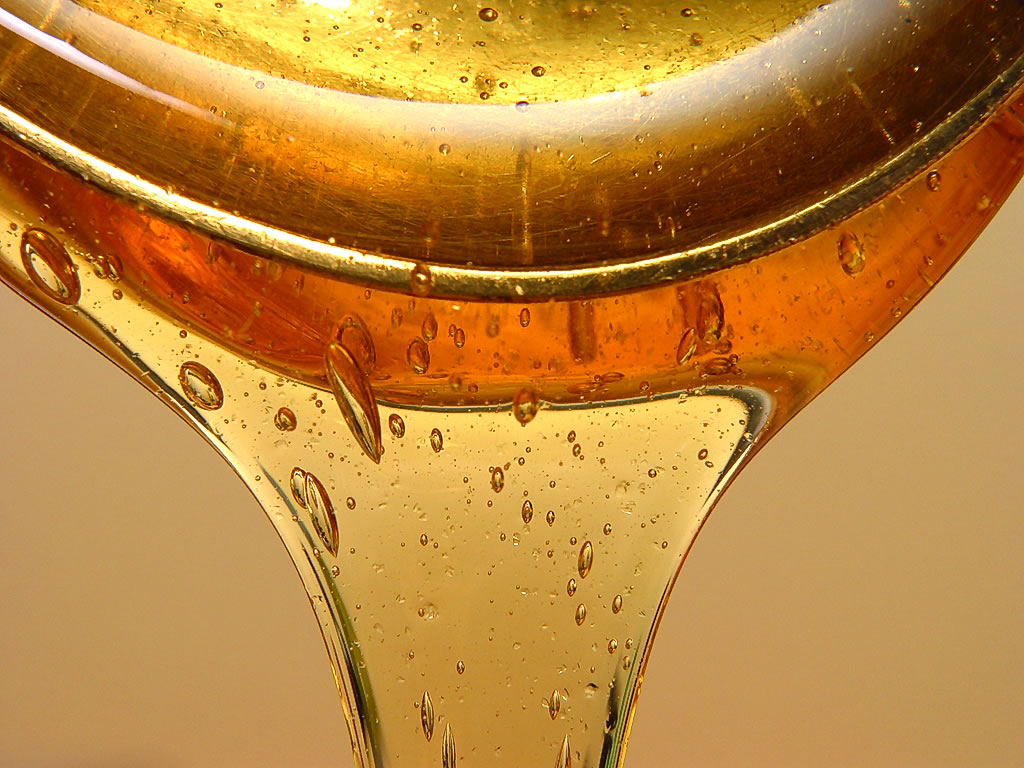
"People who have asthma usually blame it on thick and viscous mucous."
Subscribe to:
Posts (Atom)